Malignant tumors have different shapes, sizes and impacts. Classifying the tumor correctly is important to plan treatment
Malignant tumors are dangerous and can spread quickly. Timely classification and treatment can save lives
A Foundational AI Model that detects multiple types of cancer at their earliest stage using analysis of a person’s pathological images, genes, proteins, and cellular signals at once.
The solution is accessible globally through the internet
Our data science and engineering teams collaborate with leading research, commercial, and government data platforms to collect large-scale datasets that fuel our machine learning frameworks and AI algorithms. Our robust models and testing systems ensure high accuracy and reliability, allowing us to deploy the most effective features for each use case.
Our processes are fully compliant with global data privacy regulations.
Data Sources Include:
Major research universities
Government and non-government health organizations (CDC, NIH, NHS, etc.)
Public research data repositories (Figshare, Kaggle, etc.)
Commercial health and biometric data sources
Our platform is built on scalable, robust, and advanced global infrastructure combined with highly skilled data science and software engineering expertise.
Hyper-Scale AI computing platform
Operates on massive big data, machine learning, and AI capabilities
Supported by highly-trained engineers to ensure high-quality software and services
Our Team
Our data science and software engineering teams include PhDs and master’s degree holders from leading American and international universities.
Model Architecture
Integrated radiomics combines X-rays, MRI, CT scans, and other medical imaging data. These inputs are processed through convolutional layers to enable advanced AI-driven analysis, tumor classification, and early cancer detection.
Small receptive field filters are used for linear and nonlinear transformations of input channels
Tailored fully connected layers classify tumors into categories such as meningioma, glioma, and pituitary tumors
The model is refined using Gabor filters and color blob detection
Datasets
Multiple tumor image datasets include thousands of T1-weighted contrast-enhanced images. These datasets are used to train and test the model.
Primary features analyzed include:
Tumor size
Position
Shape
Texture
Datasets are continuously updated and improved.

Doctari leverages integrated multiomics analysis in our foundational AI Model abcd to identify critical biomarkers for early cancer detection, risk prediction, and personalized diagnosis.
By combining multiple biological data layers—genomics, transcriptomics, metabolomics, and proteomics—our AI provides a deeper understanding of disease development at the molecular level.
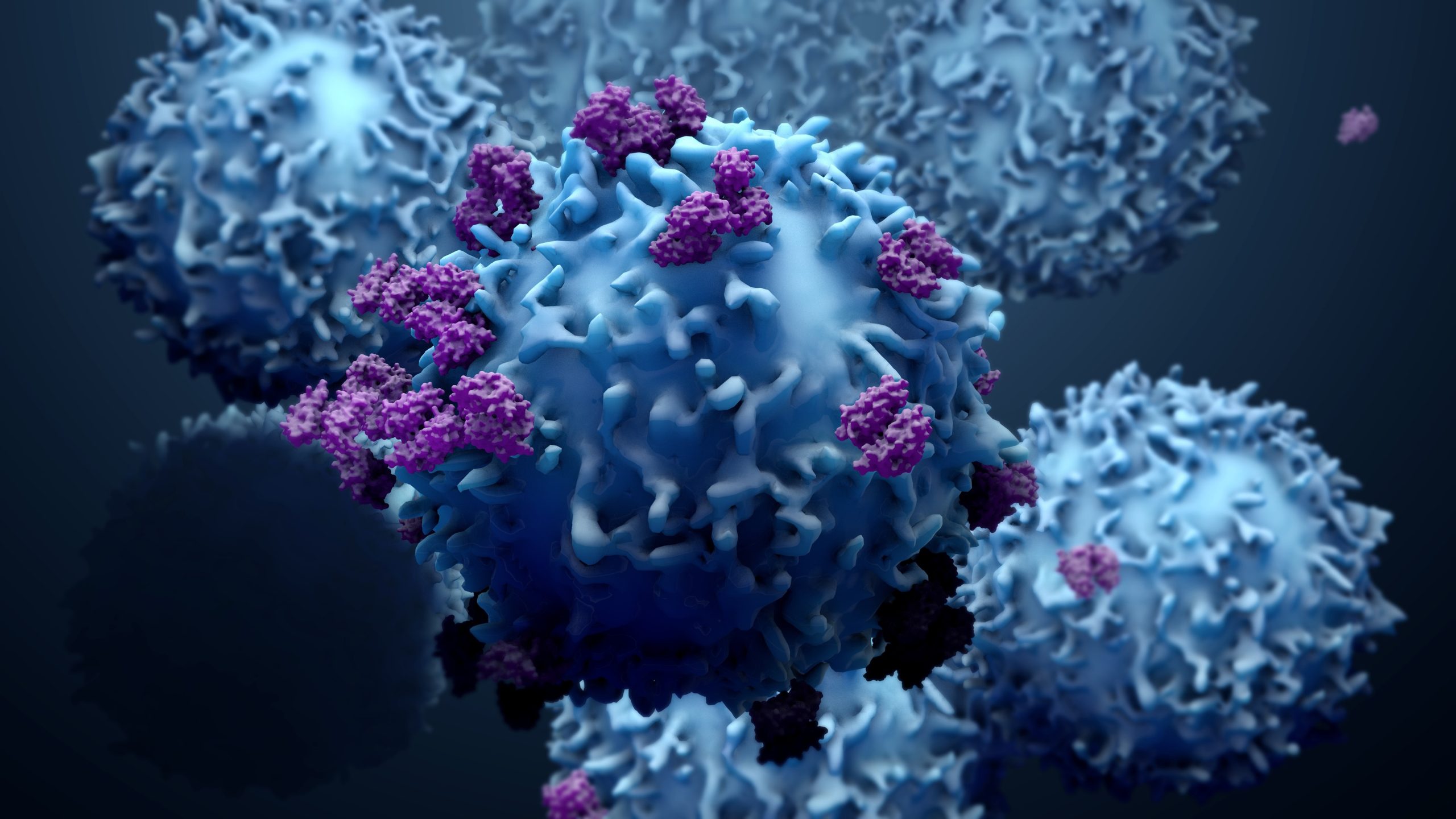
One of the indicators of certain types of cancer is the presence and analysis of bone marrow mononuclear cells.
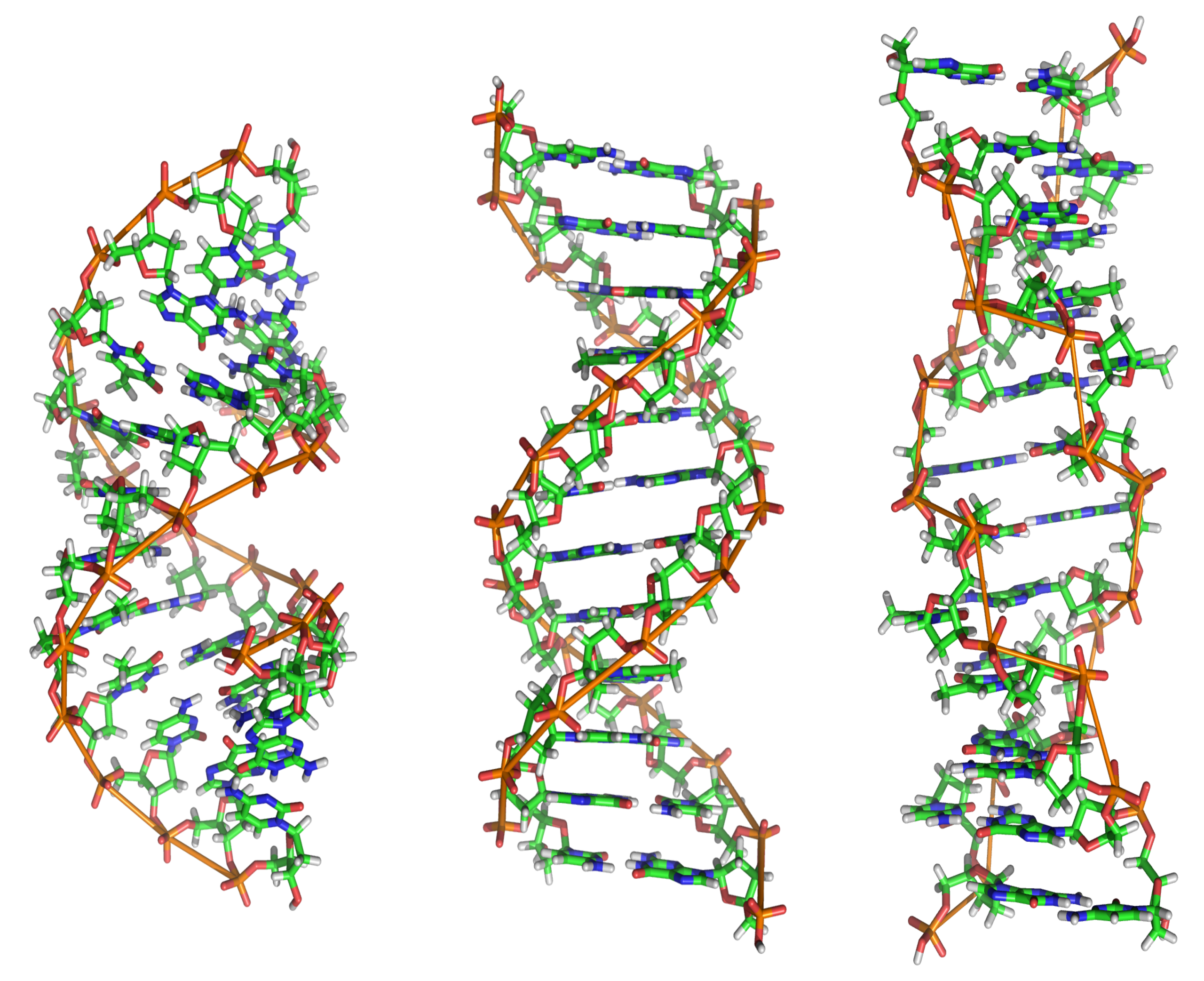
Additional insights can be gained through genome mapping, where both germline and somatic mutations are analyzed to assess cancer risk and disease progression.
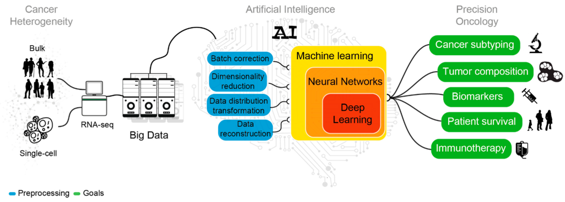
Deep learning plays a critical role in clinical oncology by supporting:
Early diagnosis
Prognosis prediction
Identification of cancers of unknown origin
Molecular subtyping of cancers
Precision oncology based on genomic data
This enables more accurate, data-driven decisions in cancer detection, treatment, and long-term patient outcomes.
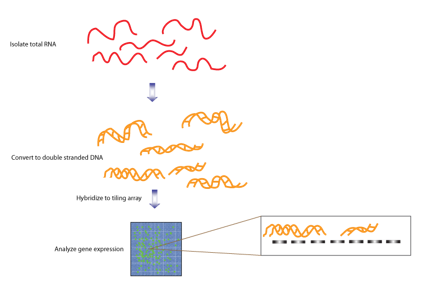
The genome is not the only place where mutations can occur. The transcriptome—particularly RNA—can also influence the development of cancer. This area is less explored than genomics, and AI has the potential to drive new discoveries.
Transcriptomics-based machine learning can:
Predict cancer status without requiring expert input
Support diagnosis and subclassification
When combined with machine learning as part of an integrated multiomics approach:
Genomics enables risk prediction, differential diagnosis, and subclassification
Transcriptomics supports diagnosis through AI-driven analysis
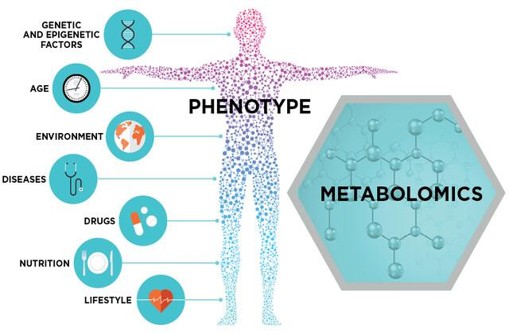
Metabolomics focuses on small-molecule metabolites in the blood, including amino acids, lipids, and carbohydrates. Over 5,000 metabolites—both identified and unidentified are analyzed using AI.
Metabolomics data can be used to:
Discover unknown metabolic pathways and their regulation
Identify preferred metabolic routes within biological systems
Predict the inhibitory effects of substances on metabolic networks
Machine learning, combined with logic-based modeling (including abduction and induction methods), can help predict potential inhibitory side effects of drugs within metabolic systems.
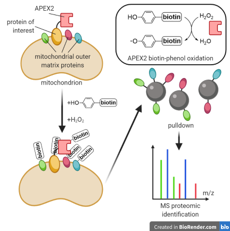
Proteomics studies proteins such as cytokines and chemokines, which are secreted into the bloodstream by the immune system and play a vital role in fighting disease. Certain pro-inflammatory protein patterns have been associated with cancer symptoms.
Proteomic data is used to:
Train machine learning predictive models
Support both regression-based and neural network forecasting
Enable prognosis based on protein signatures of cancer patients
These models in real-world settings enable proactive monitoring of patient health.
Digital pathological images combined with multiomics data are used for analysis, achieving up to 93% accuracy in detecting, classifying, and labeling multiple types of cancer.
Communication between client software and cloud-based systems is secure
Tumor classification reports can be viewed on any device or exported as PDFs
Physicians and researchers can make more informed decisions based on detailed tumor insights
Continuous feedback helps improve the system over time
Currently, we’re focused on customers who have already joined the program. We will notify you once we have added more capacity to Doctari AI.